
Determining the maximum allowable temperature and pressure for gasket service relies on unified failure evaluation criteria. Different criteria will yield significantly different pT values, which is also the final key point for interpreting the P~T relationship.
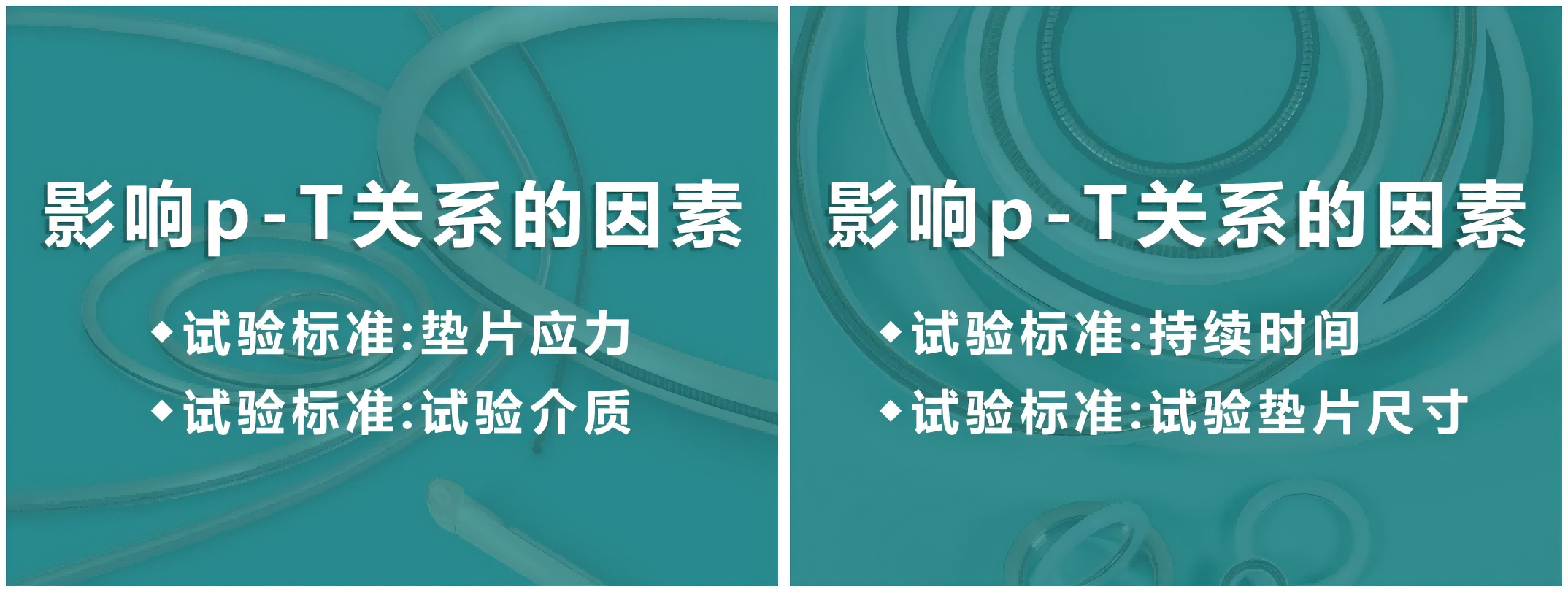
Currently, there are two mainstream gasket failure evaluation methods in the industry:
Method 1 Observe whether the gasket is blown out by the medium. This method is mostly applied for testing non-metallic gaskets.
Method 2 Take leakage rate as the evaluation basis. The gasket is deemed failed once the actual leakage exceeds the preset threshold.
Due to different evaluation logics of the two criteria, the derived maximum temperature pressure limits vary greatly.
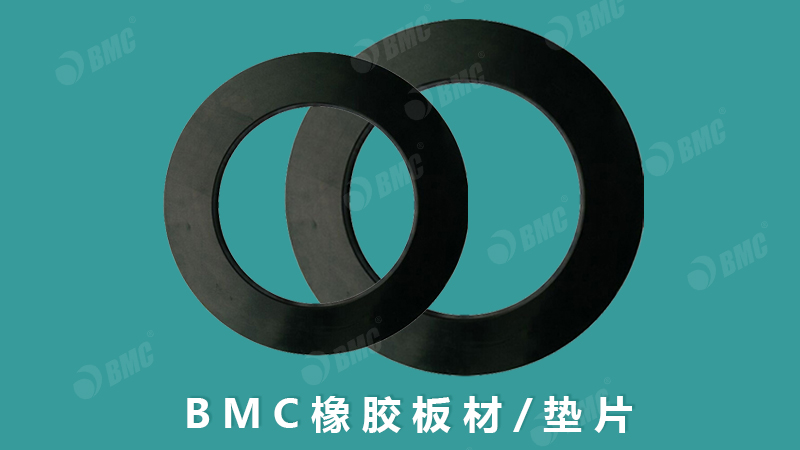
Take non asbestos fiber-reinforced rubber sheet gaskets as an intuitive example: If "gasket blown out" is adopted as the failure criterion, the calculated temperature-pressure values will be relatively high. If a fixed leakage-rate threshold is set for evaluation, the resulting pT values will drop markedly.
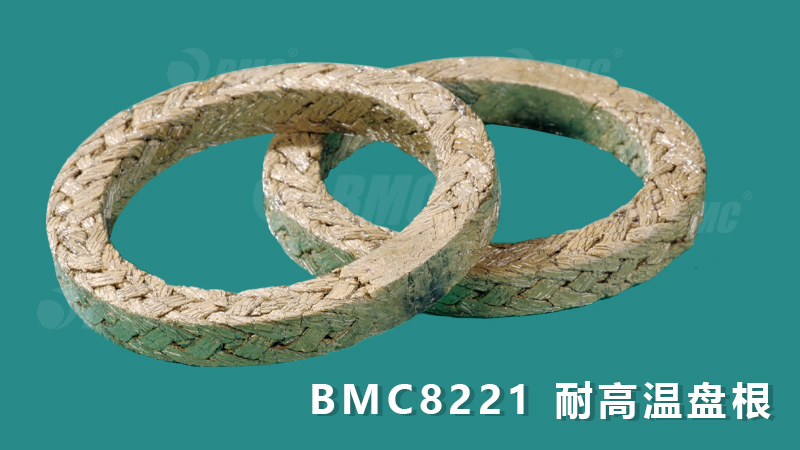
Therefore, when comparing and selecting gasket pT parameters, it is critical to confirm the corresponding failure evaluation rules at the same time. Only by interpreting parameters together with the complete test standard can we accurately judge whether a gasket matches on-site working conditions and ensure stable operation of the sealing system.
For sealing leakage issues, Baohua provides solutions. If you have any doubts about sealing technology, please pay attention to BMC Baohua and feel free to consult, comment, or leave a message! Thank you all!See you in the next issue!


 Email:marketing@mybmc.com.cn