
Besides stress and test medium, test duration and the inherent size of gaskets are also critical conditions for determining the p~T relationship. These two details are often overlooked, yet they can substantially alter test results.

(The image above shows content from the previous chapter)
For tests carried out under a fixed temperature environment, the length of time a gasket is exposed to high temperature affects its pressure bearing capacity. For instance, at 150 °C, a gasket subjected to high temperature for 10 minutes delivers different pressure resistance performance compared with one exposed for 1 hour. The longer the gasket stays under high temperature conditions, the lower its resistance to medium pressure will be, which consequently changes the measured p~T values.
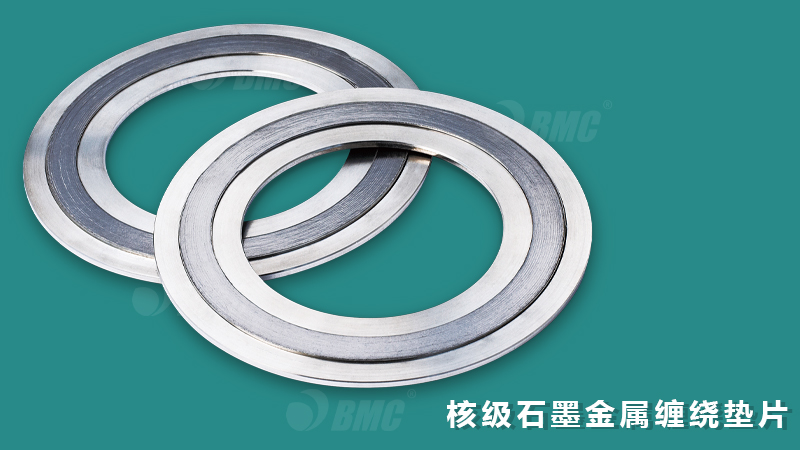
BMCSWG: Excellent Resilience and Tightness
Next is gasket size, which mainly covers thickness, diameter and sealing face width. Extensive tests and theoretical verifications prove that greater overall gasket thickness leads to poorer temperature and pressure resistance. Meanwhile, gasket diameter and sealing face width modify the ratio between medium thrust and frictional force, which also exerts influence on the p~T relationship.
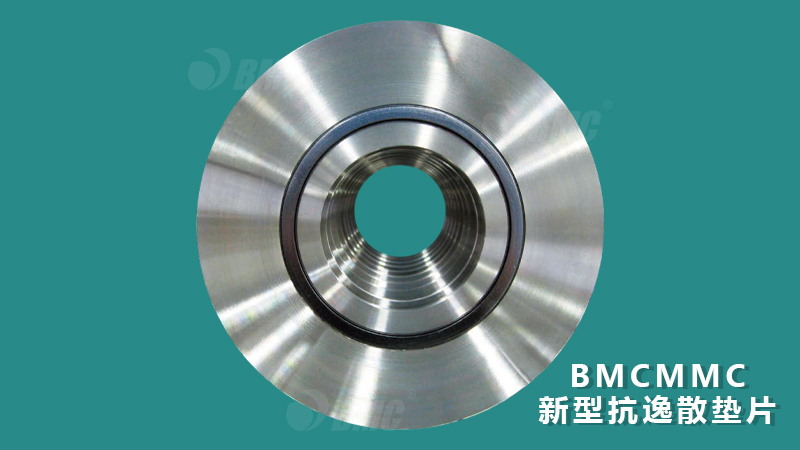
BMCMMC: High Performance Sealing Gasket with High Temperature and High Pressure Resistance
Whether for laboratory testing or field service, gasket specifications must be strictly matched to working conditions, so as to guarantee qualified sealing performance as well as temperature and pressure resistance.
Ingenious Seal Mastery
For sealing leakage issues, Baohua provides solutions. If you have any doubts about sealing technology, please pay attention to BMC Baohua and feel free to consult, comment, or leave a message! Thank you! We will continue to talk about the p~T relationship in the next issue.See you next time!


 Email:marketing@mybmc.com.cn