
Having covered the basic concepts of the p~T relationship, we will analyze two core factors affecting this parameter: gasket material and overall structure. These two elements fundamentally determine the temperature pressure resistance of gaskets.
First is the manufacturing material. Sealing gaskets of different materials show distinct pressure resistance and temperature resistance performance. For instance, non asbestos rubber sheets reinforced with organic fibers differ significantly from graphite metal composite sheets in medium pressure endurance and temperature resistance, which results in divergent p~T parameters. Material selection constitutes the primary step to define the baseline temperature pressure performance of a gasket.
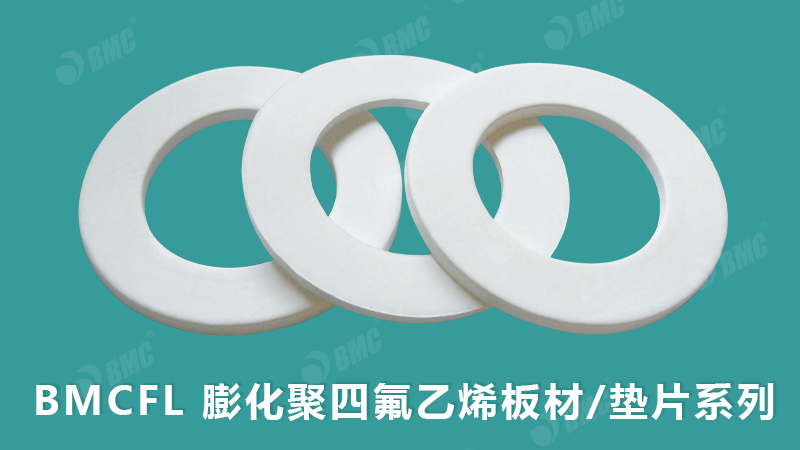
BMC Expanded PTFE Sheet Gaskets feature excellent flexibility.
Second is gasket structure. Even with identical raw materials, gaskets processed into different structural forms will exhibit varied p~T relationships. For example, gaskets made of metal and graphite will deliver different temperature and pressure resistant performance when fabricated as spiral wound gaskets versus metal jacketed gaskets.
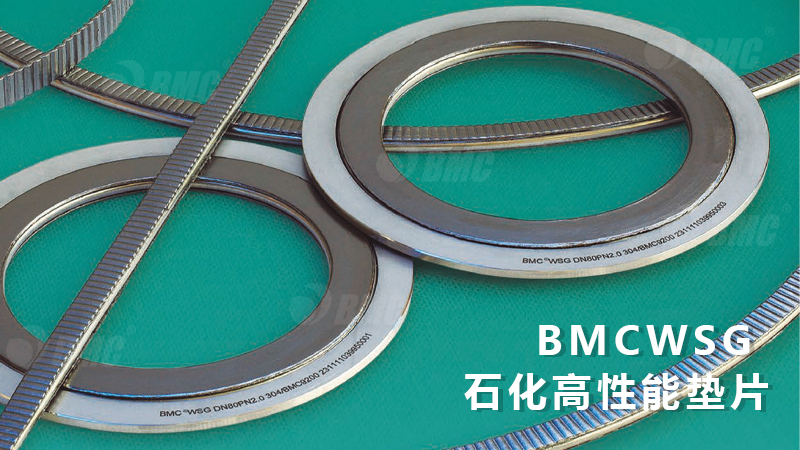
BMCWSG: Suitable for sealing flanges with surface defects.
During practical type selection, engineers shall evaluate both gasket material and structure in accordance with working condition requirements. Only comprehensive assessment of these two aspects enables preliminary screening of products meeting target temperature pressure specifications, laying a foundation for working condition adaptation.
Ingenious Seal Mastery
For sealing leakage issues, Baohua provides solutions. If you have any doubts about sealing technology, please pay attention to Suzhou Baohua and feel free to consult, comment, or leave a message! Thank you! We will continue to talk about the p~T relationship in the next issue.See you next time!


 Email:marketing@mybmc.com.cn