From General p-T Selection Knowledge to Verifiable Engineering Subjects
Not all sealing problems can be solved simply by “changing a gasket”.
p: Operating pressure of the medium
T: Operating temperature of the medium
The p-T value of rubber and synthetic-rubber gaskets is approximately 600-1500 (°C×Bar). For pure flexible graphite sheet, the value can reach around 25000 (°C×Bar). Such numerical differences reflect the varying comprehensive temperature-pressure resistance of different materials.
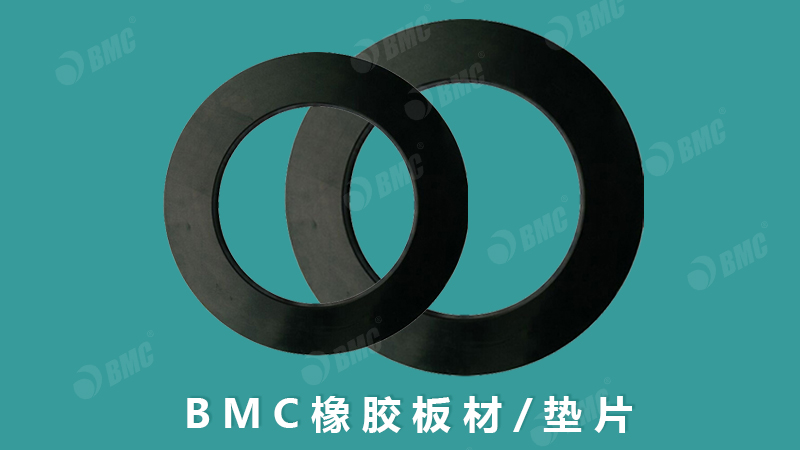
BMC Rubber Gasket: Flexible in dimension configuration
Leakage, insufficient service life, material failure, structural deformation and other issues in real-world equipment often cannot be resolved merely by switching materials, products or suppliers.
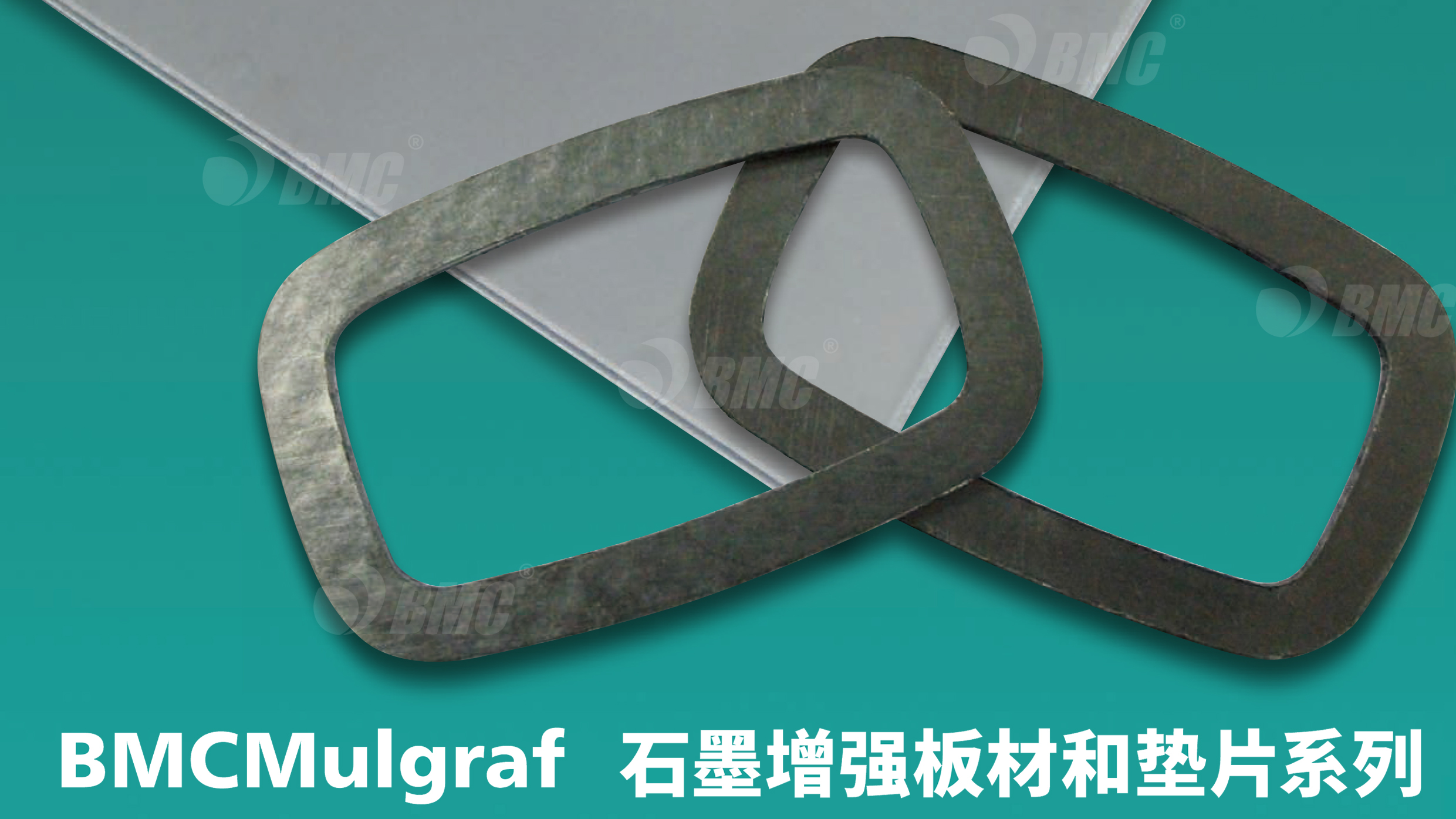
BMC-Mulgraf: Easy to cut and form; applicable for nuclear power and petrochemical industries
At this point, the right question is not “which sealing component should I switch to”, but “why did it fail?”
Baohua’s approach: Start from failure phenomena → actual working conditions → boundary conditions → failure mechanisms → key variables → engineering assumptions to redefine the problem. Then iterate through design, prototype samples, testing, data analysis, adjustment and re-verification to arrive at a truly viable solution. The core focus is not simply pass/fail test results, but understanding why a solution works or fails, and what adjustments should be made in the next iteration.
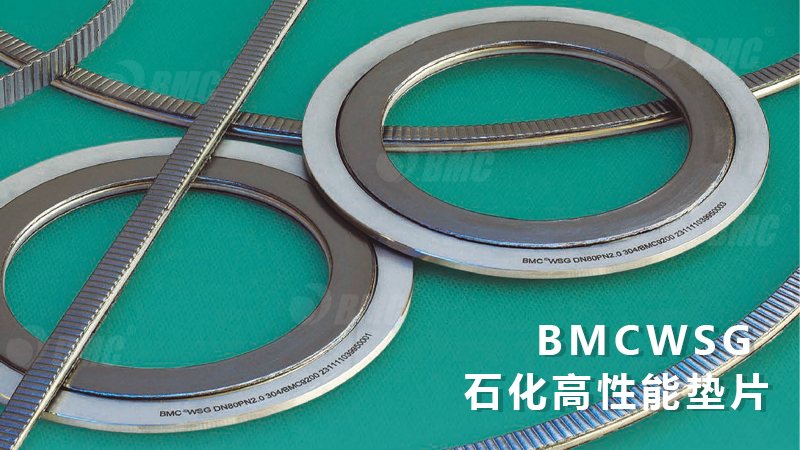
BMC-WSG: Suitable for sealing flanges with surface defects
You do not necessarily need complete drawings to get started. We can work based on operating-condition requirements, failure observations, imported sample parts, technical specifications, or even poorly-defined engineering challenges.
Ingenious Seal Mastery
If you have any doubts about sealing technology, please pay attention to BMC Baohua and feel free to consult, comment, or leave a message! Thank you! We will continue to talk about the p~T Test Standard in the next issue.See you next time!


 Email:marketing@mybmc.com.cn